
To plan a dinner party menu, start with your guests’ food requirements, the time available and the kitchen you will use. Choose a main course or shared centerpiece, then build the starter, sides and dessert around it. Check that each guest has a complete meal and that the dishes can be prepared and served in the space available.
Whether you are cooking yourself or planning a private dinner or lunch in Miami with Chef Collin, a clear menu brief makes the next decisions easier. You do not need to arrive with a finished list of dishes.
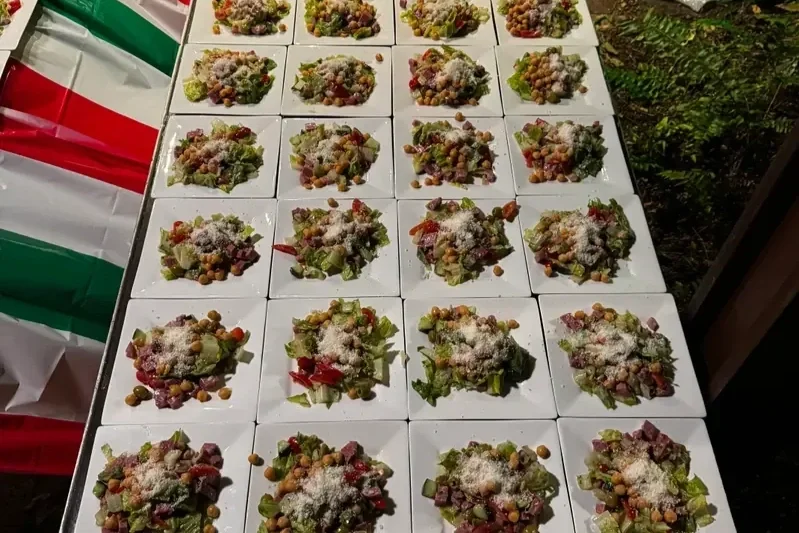
1. Ask your guests before choosing the dishes
Ask each household about foods they avoid, dietary requirements and a few things they enjoy. Give them a date to reply so you can gather the answers before shopping or agreeing a menu with the chef. For children, ask their parent or caregiver about the food and meal timing that would work for them.
A useful message is: “We’re planning dinner for [date]. Please tell me privately about any food allergies or dietary requirements we should discuss with the chef, foods you avoid, and a couple of dishes you enjoy. Could you reply by [date]?”
Keep allergies separate from dislikes in your notes. Discuss the specific allergy and preparation requirements directly with the chef before confirming the menu; an ingredient list alone does not establish that a meal is suitable. FARE’s guidance recommends clear communication about allergens and cross-contact. Do not assume a requested accommodation is confirmed until it has been discussed.
2. Choose the main course, then give each course a purpose
Start with the dish or style of food you most want to share. Then look at the meal as a whole. If the main course is rich and substantial, a lighter starter can give it space. If you want a long, conversational lunch, shared dishes may fit your plans better than several individually plated courses.
Starter: decide whether you want a seated first course or something to enjoy as guests arrive.
Main: choose the centerpiece and any alternative main that guests need.
Sides: consider vegetables, a grain or starch, and how they work with each main.
Dessert: account for a birthday cake or anything a guest is bringing before ordering another dessert.
Look for variety in flavor, texture and richness. For example, a creamy starter, creamy main and creamy dessert may feel repetitive even if each dish sounds appealing on its own. A crisp vegetable element, a different cooking method or a simpler course can change the balance.
Browse Chef Collin’s sample menus to identify flavors and dishes you like. Treat them as a starting point for a conversation; confirm the actual dishes, substitutions and availability for your date.
3. Plan a complete meal for every guest
Write down what each guest will eat at every course. This catches the common planning gap where someone has several side dishes but no intended main. Ask the person what they enjoy instead of assuming every vegetarian wants the same dish or every child needs a separate menu.
Where it suits the guests’ requirements, the table can share some components while the main courses differ. Confirm ingredients and preparation for those components too. Serving a sauce separately can help with a flavor preference; it is not, by itself, a solution to an allergy or other preparation requirement.
A worked planning example
Imagine eight adults gathering for a relaxed dinner: six eat meat and two are vegetarian. The host wants three courses and plans to supply dessert. This is an illustrative brief, not a fixed Chef Collin menu.
Choose a starter all eight would enjoy, subject to their confirmed requirements.
Ask for a main for six and a complete vegetarian main for two, planned to be served together.
Discuss sides that complement both mains and confirm how much is needed for the group.
Tell the chef about the host-supplied dessert, including its ingredients, storage needs and serving time.
The useful outcome is a clear set of decisions, not eight separate menus. The chef can then suggest dishes and quantities that fit.
4. Match the serving style to the evening
Plated courses suit a meal where guests sit down and move through the menu together. Confirm course choices and any alternatives in advance.
Family-style dishes are passed or shared at the table. Check space for platters, serving utensils and hot dishes alongside the place settings.
A buffet needs a practical serving area and a clear route for guests. Decide whether people will sit to eat and discuss how dishes will be replenished.
These are planning options to discuss, not a promise that every format suits every menu or location. Tell the chef about speeches, a surprise, children eating earlier or a firm departure time. Agree how many courses fit that schedule rather than adding courses simply to make the dinner feel special.
5. Check the kitchen before finalizing the menu
List the dishes that need the oven, stovetop or refrigerator at the same time. For example, a main roasting in the only oven may conflict with a guest’s dish that needs a different oven setting just before service. Share those details before committing to both.
If you are cooking, choose dishes you know you can prepare and make a preparation sequence. If a chef is cooking, send kitchen photos and explain any equipment limitations so they can assess the plan.
Collin’s reminder to count matching plates, silverware, glasses and napkins matters here too: every extra course may change the tableware needed. Use the kitchen preparation checklist for the equipment, work space and table-setting checks.
Your dinner-party menu worksheet
Copy these prompts into a note. Mark unresolved details as “to confirm” so everyone can see what still needs a decision.
Occasion and guests: date, location, guest count and any children’s meal arrangements.
Food requirements: what each guest needs, with allergies and preparation questions discussed privately with the chef.
Flavor direction: two or three dishes or cuisines you enjoy, plus foods to avoid.
Meal structure: starter, main and alternatives, sides, dessert; note who supplies each.
Serving style: plated, family-style or buffet, to be agreed for the venue and menu.
Timing: guest arrival, planned meal time and any speeches, cake or departure deadline.
Kitchen: available equipment, known limits and photos to share.
Budget: an amount to work toward and any separate drinks, tableware or staffing requests.
Final confirmation: agreed dishes, portions, responsibilities and how later changes will be handled.
When reviewing a proposal, check the whole meal and its responsibilities rather than comparing dish names alone. The private-chef cost guide explains Chef Collin’s confirmed pricing and what to clarify in a quote.
Ready to shape your menu? Send Collin your date, location, guest count and the food you have in mind. Your worksheet can guide the conversation.
Continue planning: hosting a dinner party at home · Thanksgiving and Christmas dinners · all Chef Collin guides.
